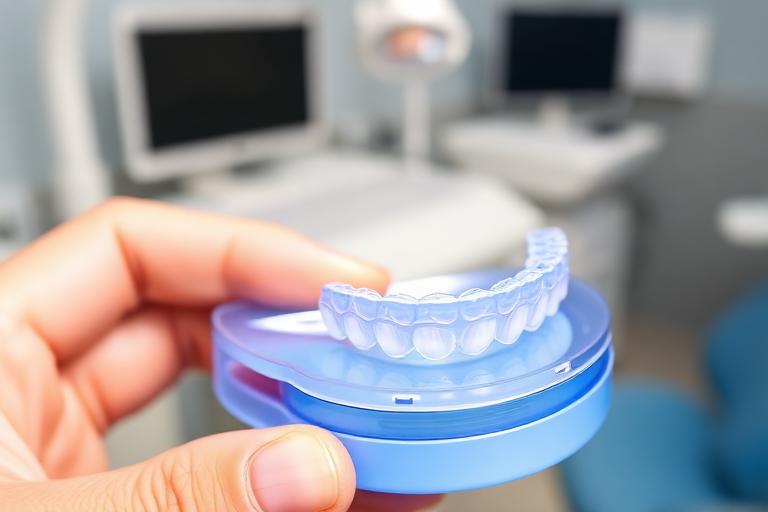




Discover the top tips for maintaining good oral hygiene and what your options are in London. Unfortunately many people struggle with their oral health, and maintaining good oral hygiene. Taking care of your mouth, teeth and gums does not have to be difficult. Through regular check-ups, maintaining a good dental health routine and understanding your options you can opt in for a healthier mouth and a more fulfilling smile.
Regular Dental Check-ups:
Ideally, most people should have 2 dentist appointments per year to help catch any potential issues early and maintain overall oral health. Our dental clinic in West London offers affordable dental check-up options for our existing patients and we always aim to book you in as soon as possible. Alongside our dentists we also have a fantastic team of dental hygienists who provide some of the best teeth cleaning in London.
Some of the benefits of regular dental check-ups include:
- Improved Oral Health
- Reduced Risks of Infections and Gum Disease
- Personalised Oral Care Advice
- Early Detection of Dental Problems
Proper Brushing Technique:
Your teeth need to be brushed at least twice per day using fluoride toothpaste. Make sure to brush for at least 2 minutes covering the surfaces of your teeth and aim to brush for at least 30 seconds for each quadrant of your mouth. Ensure that you:
- Have your toothbrush at a 45-degree angle to your gums.
- Gently move your brush back and forth in short strokes.
- Brush the outer, inner, and top surfaces of your teeth from front to back, ensuring each tooth is cleaned properly.
- When cleaning the inside surfaces of the front teeth, tilt the brush vertically.
If you find that you still have some problems with your brushing technique, it may be a good time to purchase an electric toothbrush. Electric toothbrushes take out a lot of the effort of teeth cleaning, they can time how long you take and some even measure the amount of pressure you apply and let you know if you are being too rough. (potential blog post for recommended toothbrush brands).
Daily Flossing
Flossing is a crucial part of maintaining optimal dental health, yet it's often overlooked by the average person. Some benefits of including flossing into your dental health routine include:
- Removing Plaque: Flossing helps remove plaque from areas where your toothbrush can't reach, such as between your teeth and along the gumline. Plaque build-up can lead to cavities and gum disease if not properly managed.
- Prevents Gum Disease: Flossing helps remove food particles and plaque from between your teeth. This can help prevent issues such as gingivitis (early-stage gum disease) and periodontitis (advanced gum disease).
- Reduces Bad Breath: Flossing removes trapped food and bacteria from between your teeth, helping eliminate odour-causing particles and leaving your mouth feeling fresher.
How to Floss Correctly
Use Enough Floss: Cut about 45cm of floss. Wind most of it around one of your middle fingers, and the rest around the opposite middle finger, leaving an inch or two to work with.
- Hold the Floss Correctly: Hold the floss tightly between your thumbs and forefingers.
- Guide the Floss: Gently slide the floss between your teeth using a sawing motion. Be careful not to snap the floss into your gums.
- Form a C Shape: Curve the floss into a C shape around each tooth and gently slide it under the gumline. Move the floss up and down against the side of each tooth.
- Use a Clean Section: As you move from tooth to tooth, use a clean section of floss.
Traditional flossing can be difficult. If you struggle, there are alternatives that you can use such as:
- Interdental Brushes: Small brushes designed to clean between teeth.
- Water Flossers: Devices that use a stream of water to clean between teeth and along the gumline.
- Floss Picks: Pre-threaded floss holders that can be easier to use for some people.
Look for dental floss products available at London pharmacies and supermarkets, such as Boots or Superdrug, which often carry a wide range of options. For personalised oral care advice it is great to have your teeth cleaned by dental hygienists.
Healthy Diet
Maintaining a healthy diet is very important when preserving your dental health. What you eat and drink can significantly impact the condition of your teeth and gums which is why you should consider following some of our tips to maintain good oral hygiene, after all, not every meal deal needs to be accompanied by a sugary drink.
Some key decisions you should make in regards to your oral health include:
- Reducing Sugar Intake: Consuming too much sugar is a leading cause of tooth decay. Bacteria in your mouth feed on sugar and can erode tooth enamel, which can lead to cavities.
- According to the World Health Organisation, added sugars should make up no more than 10% of your total daily energy intake. On average, this is about 25 grams for adults and around 12 grams for children.
Common sources of added sugar include:
- Sweets and desserts (cakes, cookies, and candies)
- Breakfast cereals and granola bars
- Flavoured yoghurts and dairy products
- Sauces and condiments (ketchup, barbecue sauce)
- Sugary drinks (sodas, energy drinks, and fruit juices)
Avoid Sugary Drinks: You may not realise it, but sugary drinks are one of the leading reasons for increased sugar intake. Many drinks that you may believe are healthy such as juices or even some health drinks can contain a lot of sugar. It is important to read the nutrition label on the food and drink that you intake to know exactly how much sugar it contains. Limit the intake of sugary beverages like sodas, energy drinks, and fruit juices. These drinks often contain high levels of sugar and acids that can damage tooth enamel.
- Healthy Alternatives: Opt for water, milk, or unsweetened tea as these are healthier options that contain less sugar.
- Read Labels: Be mindful of hidden sugars in processed foods. Check food labels for added sugars, which may be listed as glucose, fructose, sucrose, and other sweeteners.
- Snack Smart: Frequent snacking increases the risk of tooth decay because it exposes your teeth to sugars and acids throughout the day.
- Choose Healthy Snacks: Select snacks that are low in sugar and beneficial for your teeth, such as raw vegetables, nuts, cheese, and yoghurt.
- Timing Matters: If you consume sugary snacks or drinks, try to have them with meals rather than between meals. Saliva production increases during meals, helping to neutralise acids and wash away food particles.