

Life Changing Results
Replace Missing Teeth With Dental Implants
Increase your self-confidence and smile again.
Book a free consultation today and discuss your treatment options.
Implants Placed
%
Finance available
Google Reviews
Years of Experience
Regain Your Perfect Smile with Dr. Oscar: Examiner at The Royal College of Surgeons of Edinburgh & MSc Implant Dentistry Tutor
Looking for long-lasting, natural-looking dental implants?
You're in expert hands.
YES! I want a beautiful smile. Send me pricing & more information.
How Dental Implants Work?
A small cut is made into your gum, the implant which consists of a small titanium rod is fitted to your jawbone and a replacement tooth is fitted on top. Over time the rod and your jawbone fuse together so that your tooth implant looks and feels like one of your own teeth. There are several types of dental implants. We can talk through the options and discuss which are right for you.
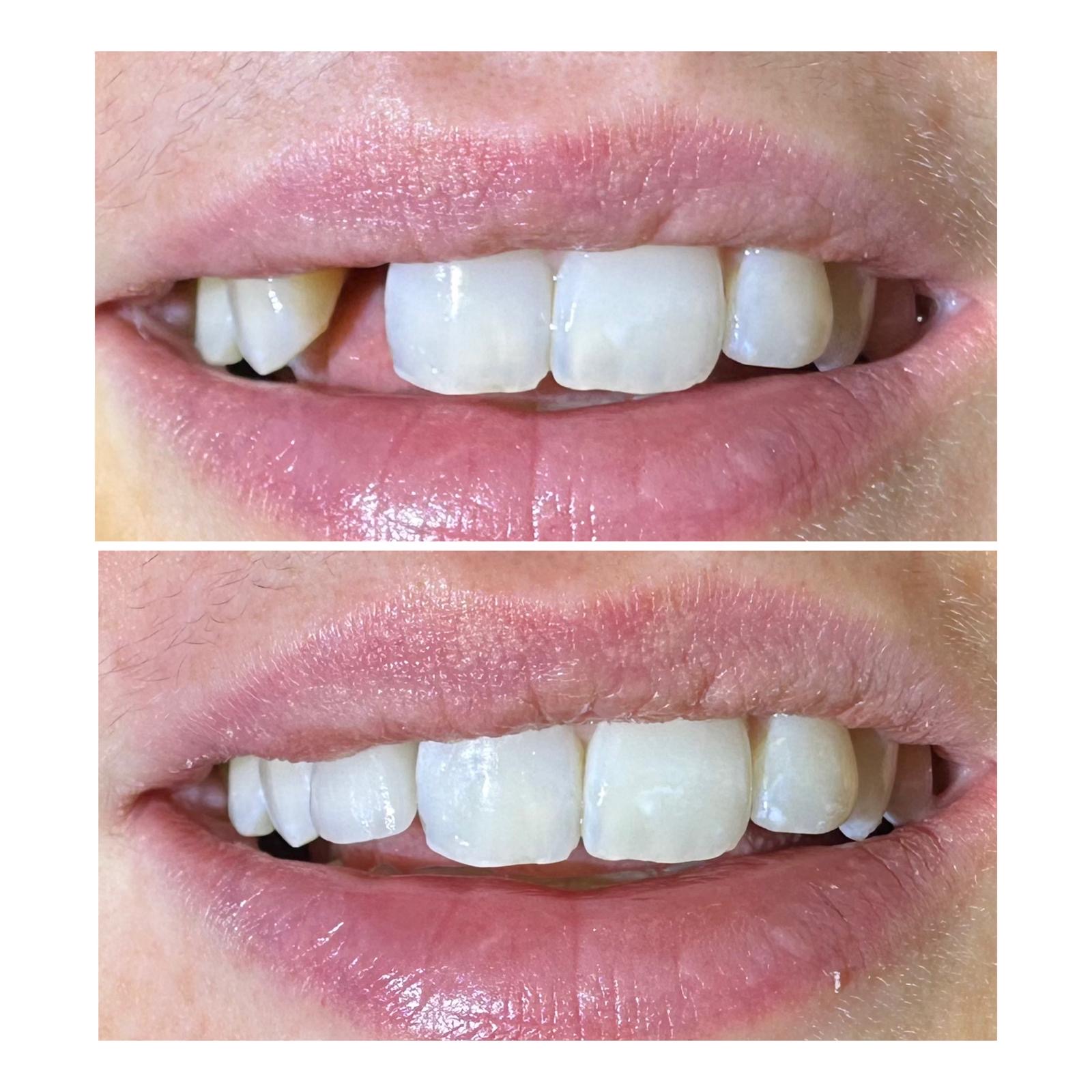
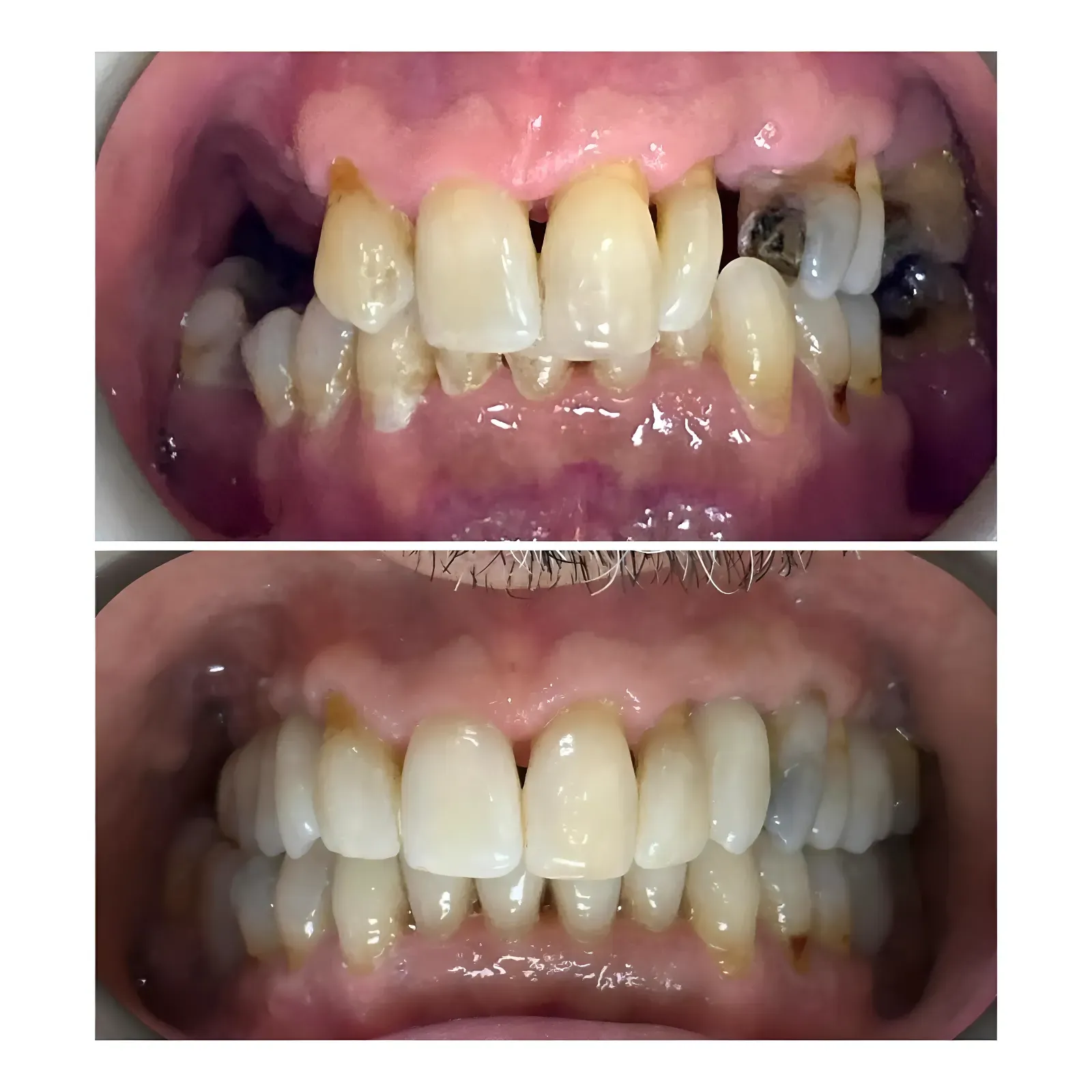
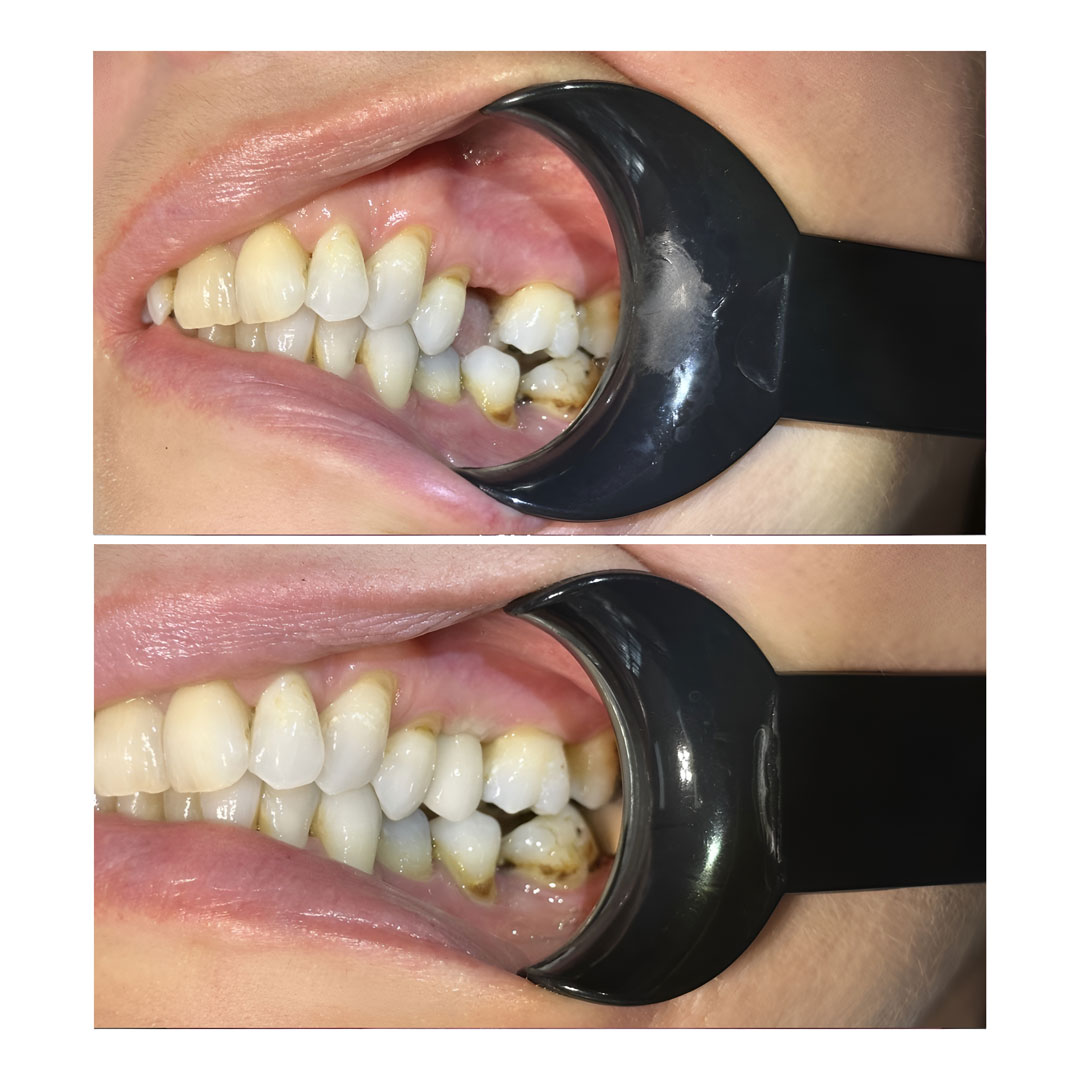
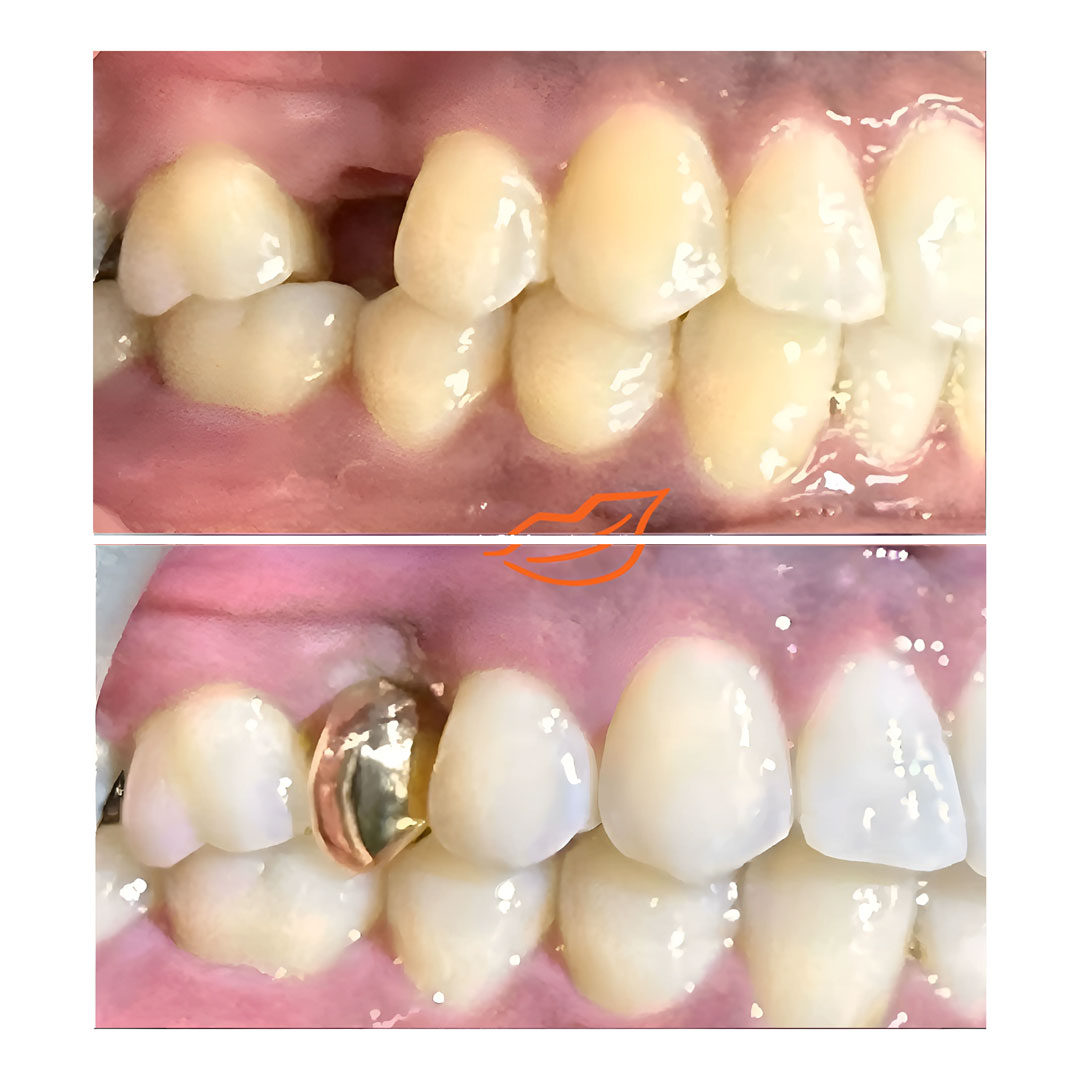
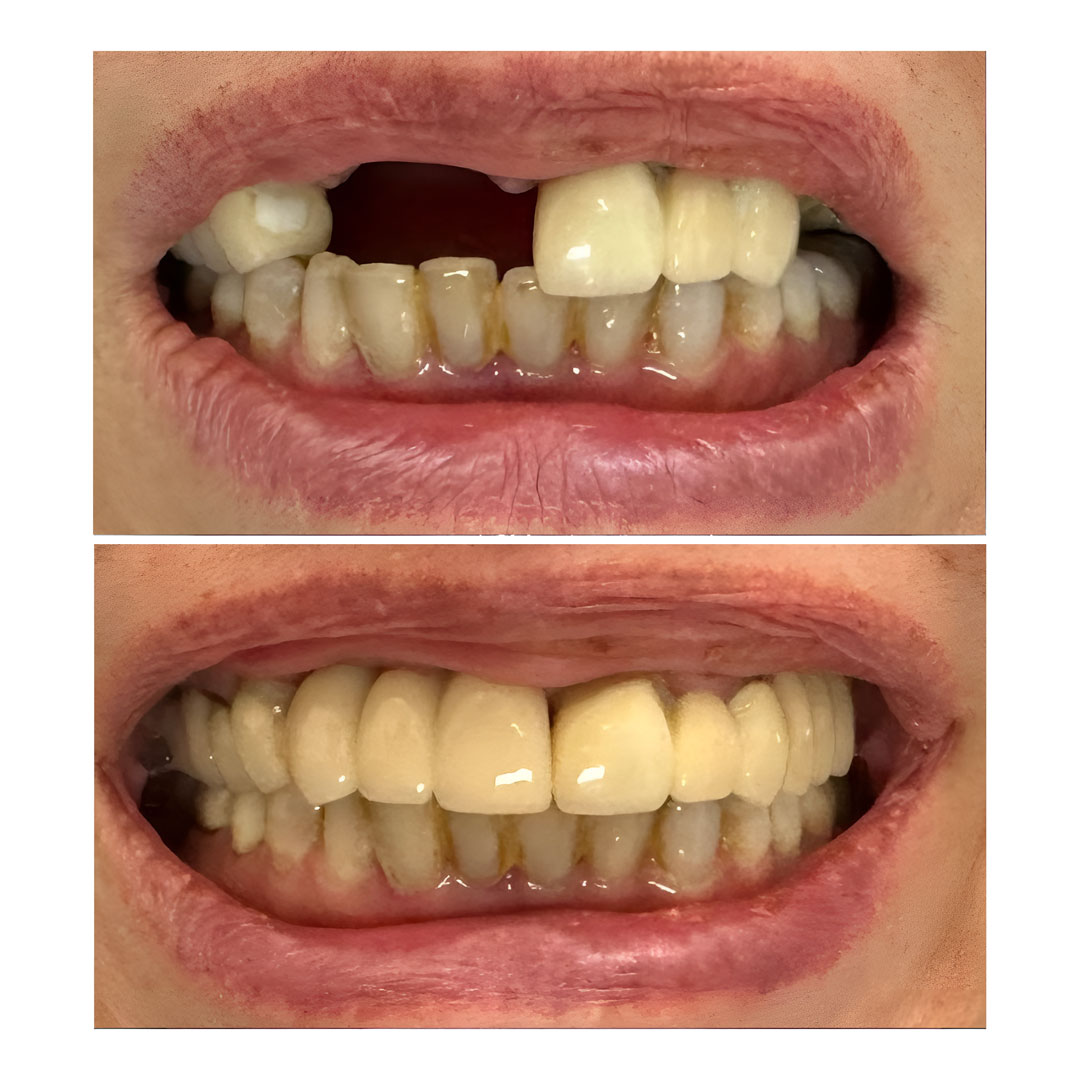
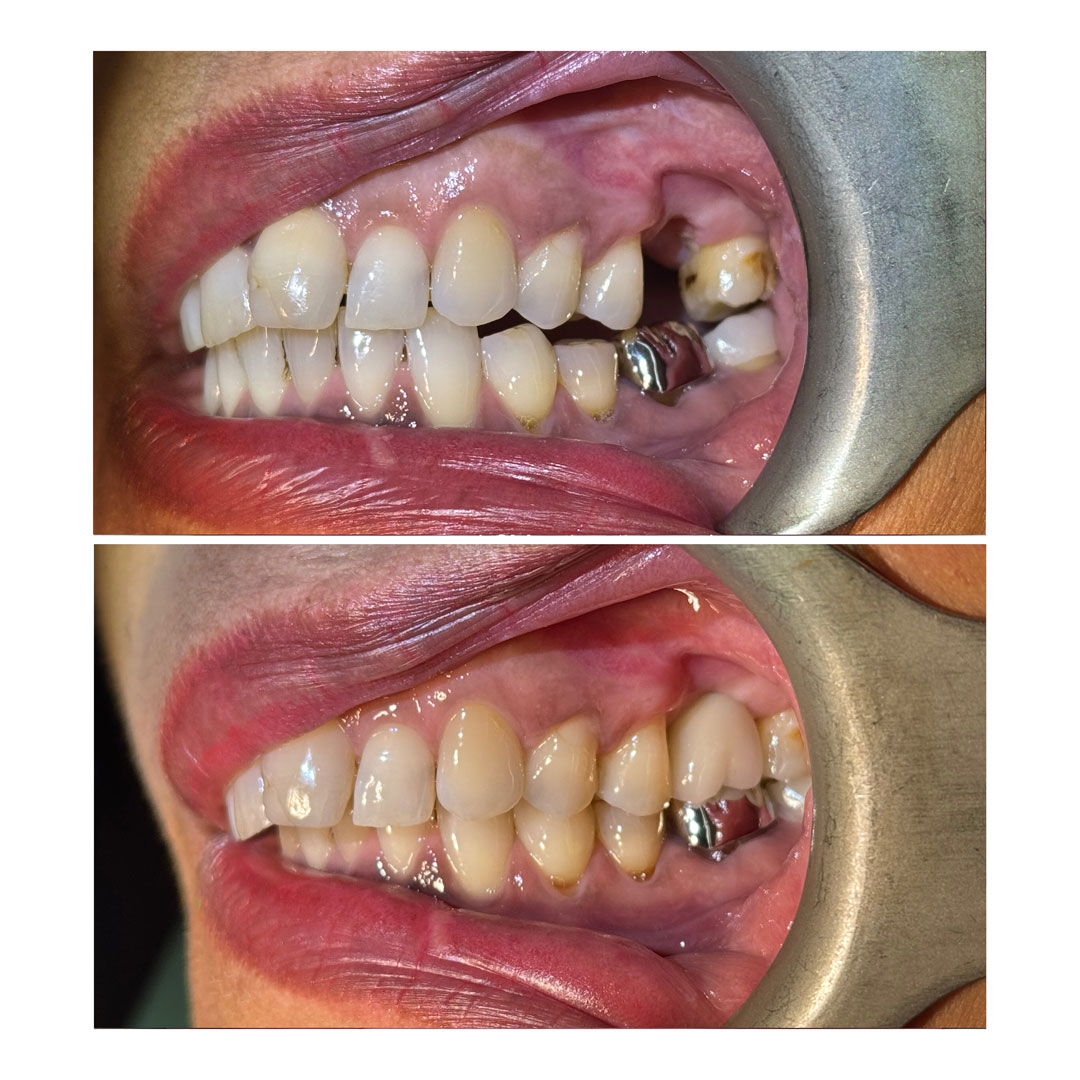
Dental Implant Transformations
Dental implants can give you back your freedom. They look, feel and act just like real teeth. Take a look at some more examples of dental implants transformations below.

20+
Year of experience
Principal Dentist
Meet Dr. Orang "Oscar" Dadashian
Oscar stands as one of our most distinguished dentists, boasting extensive experience in dental implantology since 2009. His journey began with formal training at the esteemed Eastman Dental Institute in Restorative Dentistry, followed by a rigorous two-year Diploma course in Implant Dentistry at The Royal College of Surgeons of England. Furthering his expertise, Oscar pursued advanced studies and research, culminating in the attainment of a Master of Science Degree in Dental Implantology. Recognizing his exceptional dedication and competence, he has been awarded with Membership in Implant Dentistry by the Royal College of Surgeons of Edinburgh.
Currently, Oscar serves as a well-regarded tutor, supervisor, and examiner for the Master of Science degree program in dental implantology at the King Juan Carlos University in Madrid. Additionally, he contributes his expertise as an examiner for the Diploma of Membership in Implant Dentistry at the Royal College of Surgeons of Edinburgh. Actively engaged in the training and mentorship of fellow dentists in the field of dental implantology, Oscar is committed to advancing the standards of care and excellence in our profession.
As the principal Dentist Oscar prioritizes patient and staff satisfaction, ensuring every dentist maintains a standard he's proud of. With a patient-centred approach, he guarantees each individual feels heard, cared for, and receives top-notch service, leaving the practice satisfied.
Oscar fosters an environment where staff feel valued and proud. Recognizing their significant time spent at work, he prioritizes their happiness, knowing it directly impacts patient care.
M ImpDent RCSEd
MSc ImpDent
Dip ImpDent
PGCert RDP
DDS
Frequently asked questions
Is the dental implant procedure painful?
The procedure is done under local anaesthesia meaning that you should not feel any pain throughout the procedure. Post-operative pain can typically be managed with over-the-counter pain medications.
How do I care for my dental implants?
Caring for dental implants involves maintaining good oral hygiene, including brushing twice a day, flossing daily, using an antibacterial mouthwash, and visiting your dentist regularly for check-ups and having hygiene appointments with dental hygienists.
What Can I Expect Afterwards?
After dental implant surgery, it's normal to experience some discomfort and minor symptoms as part of the healing process. Here’s what you can expect:
Discomfort and Pain Management:
Mild discomfort, swelling, and bruising around the surgical site. This can usually be managed with over-the-counter pain relievers such as ibuprofen or paracetamol. Your dentist may prescribe stronger pain medication if necessary.
Diet and Nutrition:
For the first few days after surgery it is advised to stick to a soft food diet. Try to avoid hot, spicy, or crunchy foods that could irritate where you had the surgery.
Healing Time:
The initial healing phase typically lasts about 1-2 weeks, but complete osseointegration (the process where the implant fuses with the jawbone) can take several months. Your dentist will provide specific instructions and timelines based on your individual case.
Can dental implants fail?
Dental implants have a 93-95% success rate. However sometimes, they can be rejected. This may be due to factors such as poor oral hygiene, smoking, certain medical conditions, or insufficient bone support. Regular dental visits and proper oral hygiene can help to minimise the risk of rejection.
How long does the dental implant process take?
The entire process can take between 3-6 months. This includes the initial consultation, the surgical placement of the implant, a healing period of several months to allow the implant to fuse with the jawbone, and the final placement of the crown.
What if I don't have enough bone for an implant?
If you don't have enough bone to support a dental implant, additional procedures such as bone augmentation can be performed to build up the missing bone, making it possible to place an implant.
Are dental implants safe?
Yes, dental implants are a safe and well-established treatment. They have been used successfully for many years and have a high success rate when placed and cared for properly.
Are dental implants covered by insurance?
Dental insurance coverage for implants varies. Some insurance plans may cover part of the cost, especially if the implants are deemed medically necessary. It's best to check with your insurance provider for specific coverage details.
Got Questions?
Frequently Asked Questions
Find answers to the most common questions about dental implants.
Is the dental implant procedure painful?
The procedure is done under local anaesthesia meaning that you should not feel any pain throughout the procedure. Post-operative pain can typically be managed with over-the-counter pain medications.
What Can I Expect Afterwards?
After dental implant surgery, it’s normal to experience some discomfort and minor symptoms as part of the healing process. Here’s what you can expect:
Discomfort and Pain Management:
Mild discomfort, swelling, and bruising around the surgical site. This can usually be managed with over-the-counter pain relievers such as ibuprofen or paracetamol. Your dentist may prescribe stronger pain medication if necessary.
Diet and Nutrition:
For the first few days after surgery it is advised to stick to a soft food diet. Try to avoid hot, spicy, or crunchy foods that could irritate where you had the surgery.
Healing Time:
The initial healing phase typically lasts about 1-2 weeks, but complete osseointegration (the process where the implant fuses with the jawbone) can take several months. Your dentist will provide specific instructions and timelines based on your individual case.
How long does the dental implant process take?
The entire process can take between 3-6 months. This includes the initial consultation, the surgical placement of the implant, a healing period of several months to allow the implant to fuse with the jawbone, and the final placement of the crown.
Are dental implants safe?
Yes, dental implants are a safe and well-established treatment. They have been used successfully for many years and have a high success rate when placed and cared for properly.
How do I care for my dental implants?
Caring for dental implants involves maintaining good oral hygiene, including brushing twice a day, flossing daily, using an antibacterial mouthwash, and visiting your dentist regularly for check-ups and having hygiene appointments with dental hygienists.
Can dental implants fail?
Dental implants have a 93-95% success rate. However sometimes, they can be rejected. This may be due to factors such as poor oral hygiene, smoking, certain medical conditions, or insufficient bone support. Regular dental visits and proper oral hygiene can help to minimise the risk of rejection.
What if I don’t have enough bone for an implant?
If you don’t have enough bone to support a dental implant, additional procedures such as bone augmentation can be performed to build up the missing bone, making it possible to place an implant.
Are dental implants covered by insurance?
Dental insurance coverage for implants varies. Some insurance plans may cover part of the cost, especially if the implants are deemed medically necessary. It’s best to check with your insurance provider for specific coverage details.
Get in touch,
we’re here to help you. Start your smile journey today!
Multi-award-winning clinic & Dentist
Free consultation
Flexible monthly payment plans